Seven Quiet Checks Before a Smart Plug Takes Charge of the Christmas Lights
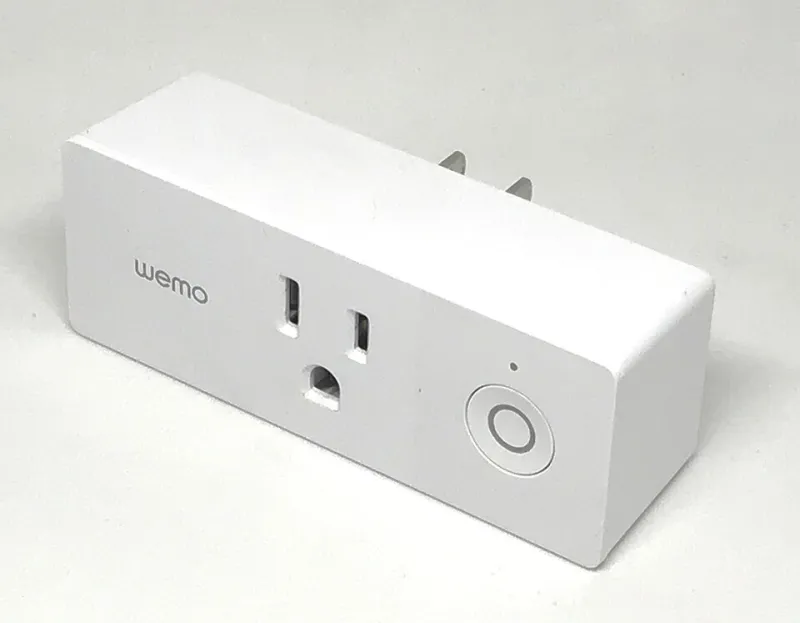
Photo: Gregory Varnum, CC BY-SA 4.0, via Wikimedia Commons
Mid-November 2026, and the garden centres have already started the carols. The tree is up, the fairy lights are untangled, and a smart plug is about to become the hardest-working socket in the house. It is a familiar UK scene: a little white cube under the branches, quietly switching the lights on at 4pm and off at 11pm.
That convenience is worth having. But a smart plug is still a mains-powered device, and it will spend December surrounded by dry needles, paper, and the occasional stray mince pie. Before you trust it with the lights, give it ten minutes of attention. Here are seven checks that do not require an electrician — just a torch, a bit of patience, and a healthy respect for BS 1363.
1. Start with the load, not the label
Most smart plugs are rated to 13A, which sounds like a lot. Christmas lights are tiny by comparison: a typical LED string draws 5–20W. Even half a dozen strings will not trouble a 13A socket. The problem is usually everything else on the same extension lead. Add up the watts, divide by 230, and compare that with the lead's rating. Reel extension leads are often rated 13A when fully unwound but much less when coiled — check the label. Do not daisy-chain adaptors, and never hand a smart plug a heater, kettle, or hair dryer. Those belong on a plain socket with a suitable fuse.
2. Give it a heat check before the tinsel goes on
Plug the smart plug in, switch the lights on, and leave it for 45 minutes. Then unplug it and feel the body. A little warmth is normal. A hot casing, a buzzing relay, or a faint fishy smell is not. Look for browning around the socket, melted plastic, or a scorched plug top. If you see any of that, stop. Do not bury the plug under presents or a rug; relays need air, and a bit of ventilation goes a long way.
3. Inspect the plug, fuse and cable
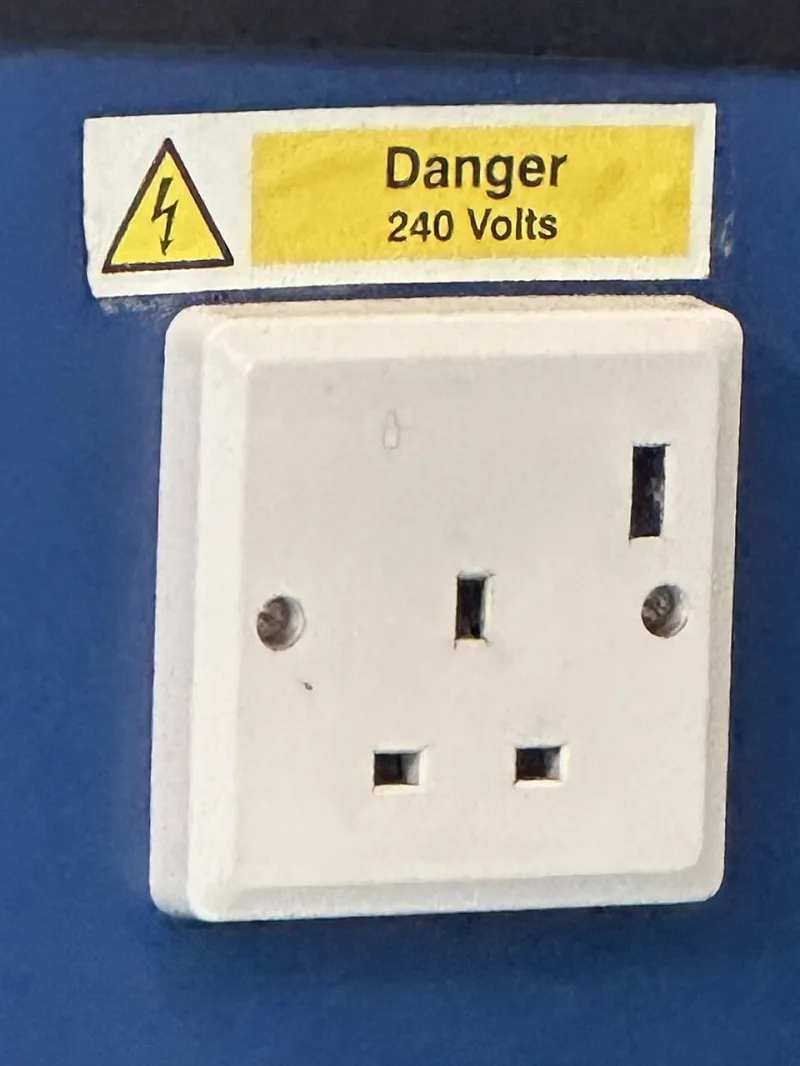
In the UK, the plug should meet BS 1363, with sleeved pins and a fuse to BS 1362. Christmas lights often come with a 3A fuse; smart plugs usually carry a 13A fuse. That is fine for low-load lights, but the fuse protects the cable, not the device. Check the cable is not pinched by a chair leg or chewed by a pet. Tinsel hides a multitude of sins. If the cable is frayed or the plug is cracked, replace the lights or the plug — do not tape it and hope.
4. Test the offline behaviour before you rely on the cloud
Most smart plugs lean on an app and a cloud server. If the broadband drops, does the schedule still run? Some plugs store timers locally; others do not. Test it now: pull the router for ten minutes and see if the lights come on as planned. Also check the physical button still works. You do not want to be troubleshooting an app on Christmas Eve after a glass of mulled wine.
5. Update firmware and rehearse the schedule
Update the firmware now, not on 23 December. Check the app's time zone and daylight saving settings. Set your schedule and let it run for a week. Watch for missed triggers or a plug that forgets. Some apps offer randomisation; that is great for lamps, confusing for fairy lights. Keep it simple. A schedule that works in mid-November is more trustworthy than one you have only imagined.
6. Mind the bulk and the fit
Smart plugs are chunky. They can block the neighbouring socket, strain a cable, or refuse to sit flush behind furniture. Under a tree, make sure the plug is not resting on a damp floor or taking the weight of a present stack. If it does not fit, use a short, fused extension lead — not a daisy chain of adaptors. Keep it visible enough to switch off manually, and keep it away from anything that might spill.
7. Know when to replace, not repair
Smart plugs are sealed units. Do not open one, and do not ask a repair café to. If it is cracked, buzzing, dropping off Wi-Fi after a reset, or showing scorch marks, replace it. They cost £10–£25; a fire costs more. Buy from a reputable brand with UKCA marking and a clear rating. Take the old one to a WEEE recycling point rather than the bin.
None of this is about being scared of technology. It is about being honest: a smart plug is a small computer switching mains power, and it will sit under a tree surrounded by dry needles and paper. Ten minutes of checks now is cheaper than a new plug, a new string of lights, or a very unwanted visit from the fire brigade. If in doubt, use a mechanical timer or switch off at the socket. Simple, safe, and it still looks lovely.