Three Pins, One Suspect: A Safe UK Plug Audit for ‘Dead’ Gadgets
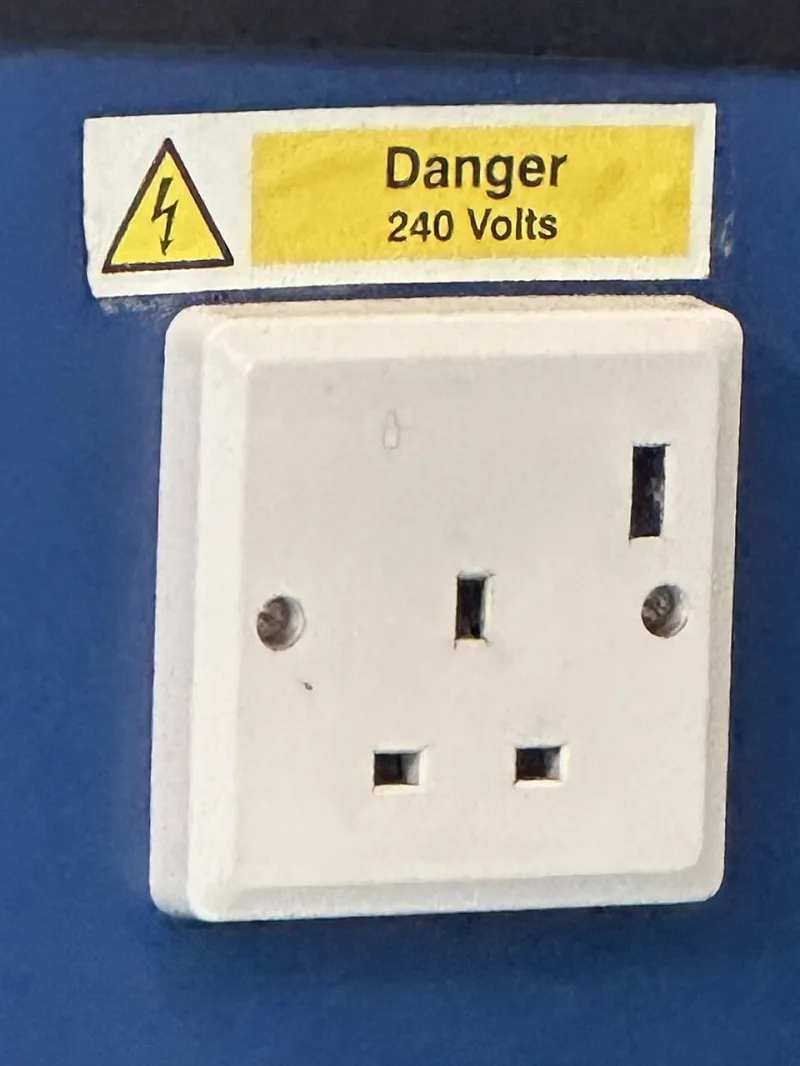
Photo: OathOn, CC BY-SA 4.0, via Wikimedia Commons
There’s a familiar UK kitchen-table moment: a lamp, laptop charger or small appliance stops working, and the gadget gets blamed immediately. Often, though, the real suspect is the humble three-pin plug, the fuse inside it or the socket it was plugged into. The good news is that a careful plug audit can rule out a lot of unnecessary repair bills. The better news is that doing it safely is not complicated—provided you stop at the right point and do not start swapping fuses like party favours.
First, make it safe
Before any inspection, unplug the gadget from the wall. Do not open a plug while it is connected, and do not pull the plug out by the cable. Switch the socket off at the wall if it has a switch, then remove the plug by the body.
If you can smell burning, see scorch marks or hear crackling, stop. Unplug it if safe to do so and do not use it again until it has been checked by someone competent. A plug that has overheated is not a DIY challenge; it is a warning.
1. Read the fuse, do not guess
UK plugs use a BS 1362 fuse, usually rated at 3A, 5A or 13A. The rating should suit the appliance. A low-power device does not need a 13A fuse, and a high-power appliance should not be running on a 3A fuse. If the wrong fuse has been fitted, replace it with the correct rating—but only after asking why someone put the wrong one in.
If the fuse has blown, treat that as information, not an inconvenience. A fuse is there to protect the cable and the people using it. Replacing it without understanding the cause can turn a small fault into a bigger one.
2. Look for heat damage
Check the plug body for brown marks, blisters, deformation or a fishy, hot-plastic smell. Look at the fuse holder and the area around the pins. Heat usually means resistance or arcing, and that is not something to ignore.
A plug that has been running warm is not necessarily faulty, but a plug that has clearly cooked itself is. If the damage is obvious, replace the plug or the lead—do not wrap it in tape and hope for the best.
3. Check the pins and the casing
Bent pins, cracked plastic around the pins or loose moulded sections are all reasons to stop. Moulded plugs cannot be opened safely, so if a moulded plug is damaged, the lead needs replacing by someone competent.
On a rewirable plug, check that the terminal screws are tight and that the correct fuse is fitted. Do not overtighten. If you are not confident working inside a plug, leave it alone; a repair café or a qualified technician can help.
4. Inspect the cable grip and cord
The cable clamp inside a plug should grip the outer sheath, not the individual wires. Give the cord a gentle pull—it should not move in the plug. Look along the cable for fraying, cuts, exposed copper or a crushed section.
A damaged lead is a replacement job. Shortening the cable or taping over damage is not a lasting fix, and it can affect the appliance’s safety.
5. Test the socket with something known-good
Once the plug looks sound, test the socket with a known working appliance, such as a lamp. Try another socket on the same circuit and, if possible, a socket on a different circuit. If the known-good appliance also fails, the socket or circuit is the suspect.
Do not poke anything into a socket. If a socket is loose, cracked, hot, buzzing or has a switch that feels wrong, stop using it and get an electrician involved. A socket tester can be useful, but it is not a substitute for proper testing if something feels unsafe.
6. Rule out extension leads and adapters
Extension leads and multi-way adapters are common hidden culprits. Test the gadget directly in a wall socket instead. Check the extension lead’s rating and avoid daisy-chaining adapters or running high-power appliances through a cheap bar.
If the gadget works in the wall but not through the extension, the extension is the problem—not the device. Replace it rather than patching it up.
7. Look for the pattern
A fuse that blows once might have been a surge or a one-off. A fuse that blows twice is telling you something. If it blows when the appliance is switched on, the appliance is the likely fault. If it blows with the appliance switched off, the plug or lead deserves closer attention.
Never uprate a fuse to stop it blowing. Never use fuse wire, foil or anything else that bypasses the protection. If a correctly rated fuse blows again, stop and get the appliance checked.
When to call it
If the plug, fuse, cable and socket all check out and the gadget still does nothing, then you have earned the right to suspect the gadget itself. At that point, a repair assessment makes sense. Keep the plug and lead with the device when you take it in, and mention any blown fuses or heat damage you noticed.
The humble UK plug is not glamorous, but it is a useful first checkpoint. A few minutes with a torch and a known-good lamp can save a repair bill, a replacement purchase or a nasty surprise. Just remember the rule that matters most: if anything looks, smells or feels wrong, stop—and let someone qualified take over.